Module 1: Cardiogeriatrics
Module 2: Geriatric Oncology
Module 3: Lonliness, depression and suicide
Module 4: How to conduct routine health checkups in older adults?
Module 5: Dizziness and falls
Module 6: Incontinence
To present advances in AI applied to healthcare for older adults: prevention, diagnosis and treatment.
To understand the limitations and validation requirements associated with the implementation of AI.
To address the most prevalent diseases and major geriatric syndromes using AI.
To raise awareness of the potential health risks that AI may pose to the older adults.
To preserve, value and emphasize medical humanism in the care of older adults.
Dr. Carlos Presman
Dr. Julio César Guerini
Module 1: Current epidemiology and future projections. Part A: Introduction. Part B – Diagnosis of obesity.
Module 2: Adipose tissue depots. The biological purpose od adipogenesis.
Module 3: Etiological models of obesity.
Module 4: Regulation of eating behavior.
Module 5: Dietary treatment of obesity. Part A: NOVA and Diet therapy. Part B: Crononutrition.
Module 6: Pharmacological treatment.
To examin controversial aspects in the definition and diagnosis of obesity, with the aim of preventing both underdiagnosis and overdiagnosis. Based on these concepts, the course will propose best practices for obesity prevention and treatment, tailored to each individual case and clinical situation, using strategies that will be addressed in the subsequent modules.
Dr. Julio Cesar Montero
Dr. Diego H. Pereyra
Dr. Tomás F. Tale
This proposal aims to strengthen key skills for identifying, categorizing and prioritizing patients based on clinical severity, optimizing resources and improving response times.
Mag. Ricardo Molina
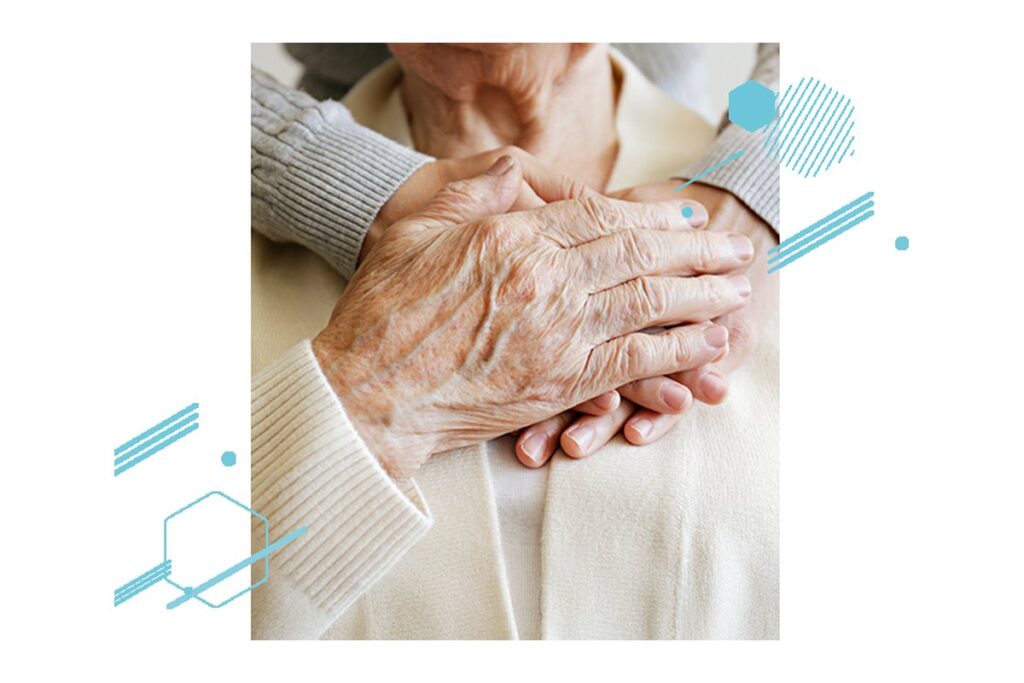
This course aims to improve the health, quality, and living conditions of older adults, whether healthy or ill. It addresses the complexities and systemic issues of aging in its various dimensions: biological, biographical, cultural, economic, and social (“social network”).
Dr. Carlos Presman
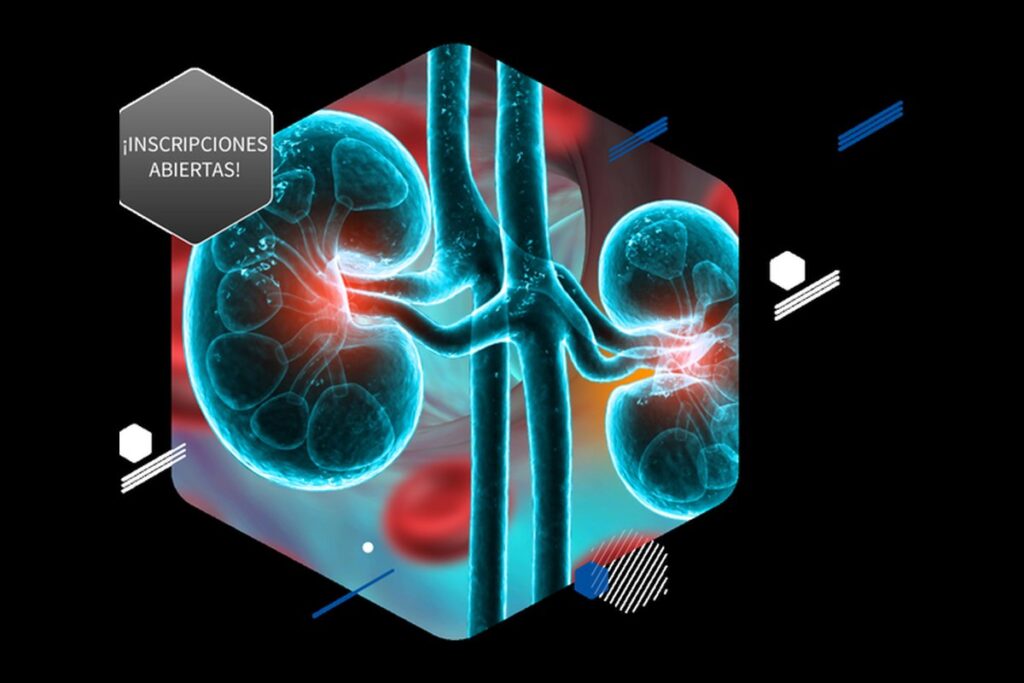
To provide physicians with a solid and practical understanding of acid-base balance, addressing its physiological foundations, the classification and clinical impact of acid-base disorders, and the strategies for their diagnosis and interpretation. By the end of the course, participants will be able to interpret blood gas analyses, identify the most common acid-base disorders and understand the principles of their clinical management.
Dr. Diego Bértola and Dr. Juan Carlos Pendino
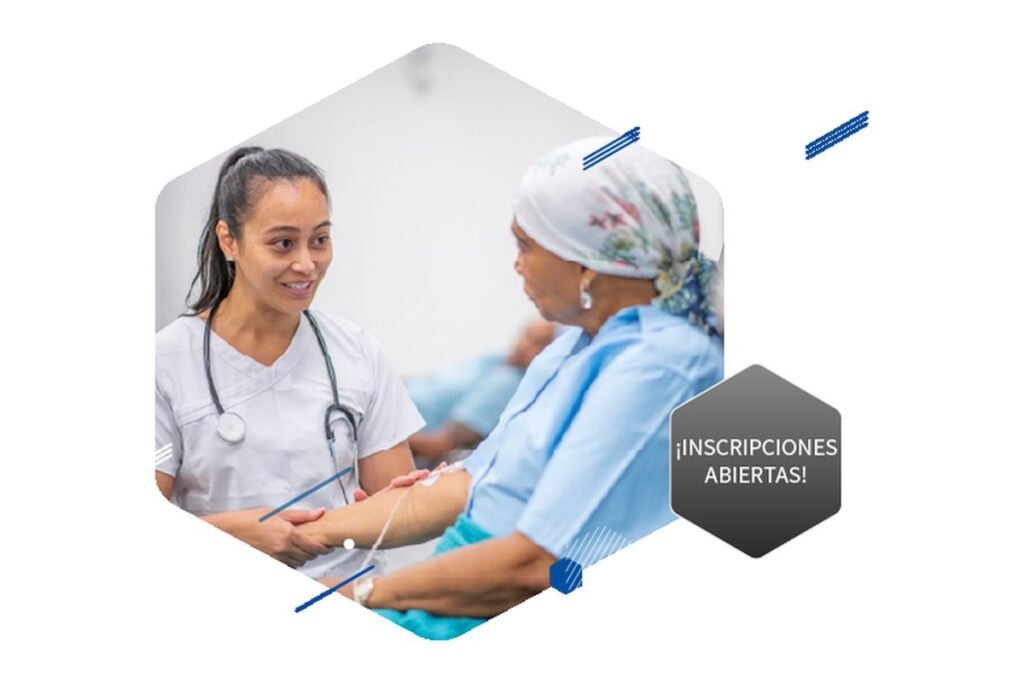
To promote the comprehensive training of nursing professionals in the oncology field, providing up-to-date tools for understanding cancer, its therapeutic approach and safe patient care, while strengthening humanized and high-quality care.
Mag. Ricardo Molina
To deepen the understanding of the main differential diagnoses in acute poisoning cases and to develop therapeutic strategies based on clinical criteria. To timely identify severe situations and optimise decision-making in emergency settings.
Dr. Francisco Tomás Dadic and Dr. Carlos Damin
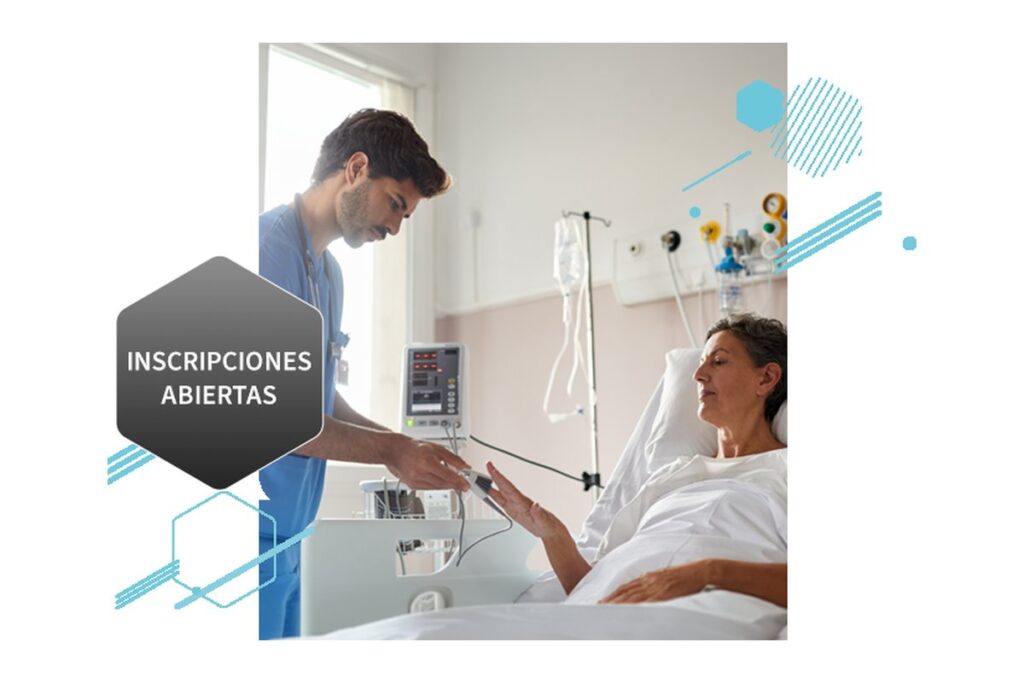
To provide theoretical and practical tools for the comprehensive care of patients with palliative needs, addressing ethical and bioethical principles and quality of life at the end of life. To develop competencies for the assessment and management of pain, respiratory symptoms, and the human and professional support of patients and their families or caregivers.
Mag. Ricardo Molina

If you were unable to attend the webinar, or if you would like to delve deeper into the topics covered, the recording of the first live class, along with two complementary sessions, is now available.
Fundación Alberto J. Roemmers invites you to participate in this course on advances in Alzheimer’s disease and their impact on current clinical practice.
Dr. Pablo Bagnati
If you were unable to attend the webinar, or if you would like to delve deeper into the topics covered, the recording of the first live session is now available, along with two complementary classes.
Suicide is a major public health issue, with clinical, social and healthcare impact, and requires an updated educational response for healthcare teams.
Dr. Gerardo García Bonetto, Dr. Marcelo Cetkovich and Dr. Enzo Guzzo